French Bread Recipe
Introduction
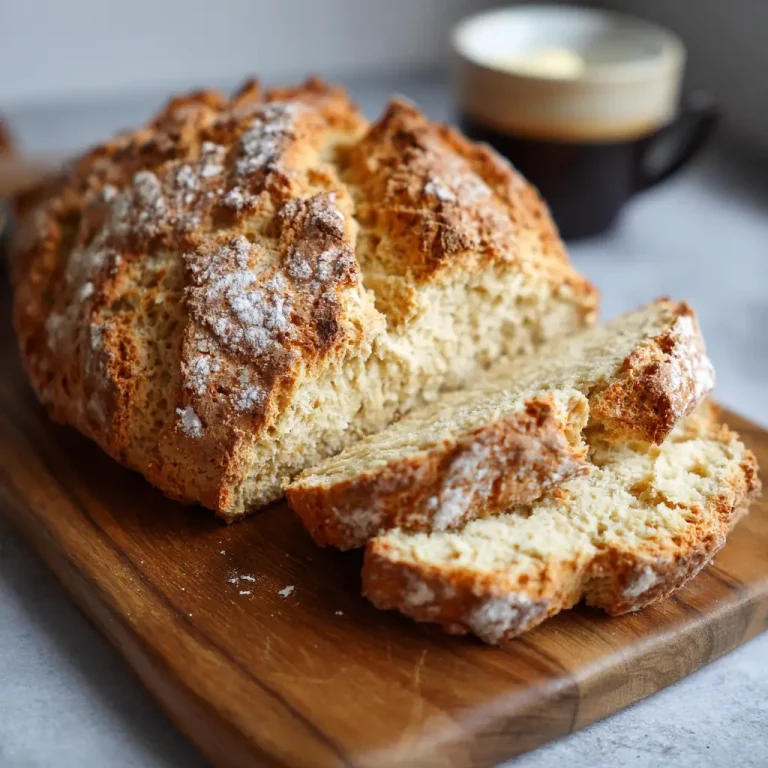
French Bread Recipe is one of the most classic and widely loved bread recipes in the world. Known for its crispy golden crust and soft, airy interior, this bread is a staple in bakeries and homes alike. Whether served with butter, soups, sandwiches, or used for garlic bread, French bread offers a simple yet elegant taste that pairs with almost anything.
The beauty of this French Bread Recipe lies in its simplicity. With just a few basic ingredients like flour, water, yeast, and salt, you can create bakery-style bread right in your own kitchen. Even though it uses minimal ingredients, the technique and timing are what give it that signature texture—crispy on the outside and fluffy on the inside.
Another reason this bread is so popular is its versatility. You can shape it into long baguettes, round loaves, or even smaller rolls depending on your preference. Once you master this French Bread Recipe, you can use it as a base for sandwiches, toast, or even garlic bread for family dinners and gatherings.
Recipe Overview
| Detail | Information |
|---|---|
| Prep Time | 20 minutes |
| Rising Time | 1 hour 30 minutes |
| Cook Time | 25–30 minutes |
| Total Time | 2 hours 20 minutes |
| Cuisine | French-Inspired |
| Course | Bread / Side Dish |
| Servings | 2 medium loaves |
| Calories | Approx. 160–180 per slice |
Ingredients
| Ingredient | Quantity | Notes |
|---|---|---|
| All-purpose flour | 4 cups | Can substitute with bread flour for better texture |
| Warm water | 1 ½ cups | Not too hot, just lukewarm |
| Active dry yeast | 2 ¼ teaspoons | One standard packet |
| Sugar | 1 tablespoon | Helps activate yeast |
| Salt | 1 ½ teaspoons | Enhances flavor |
| Olive oil | 1 tablespoon | Optional for softer dough |
Step-by-Step Instructions
1. Activate the Yeast
In a small bowl, mix warm water, sugar, and yeast. Stir gently and let it sit for 5–10 minutes until it becomes frothy. This step ensures that your yeast is active and will help the dough rise properly.
2. Prepare the Dry Ingredients
In a large mixing bowl, combine flour and salt. Mix well so the salt is evenly distributed throughout the flour. This helps create balanced flavor in your French bread.
3. Combine Wet and Dry Ingredients
Slowly pour the activated yeast mixture into the flour mixture. Add olive oil if using. Stir until a rough dough begins to form. At this stage, the dough will look shaggy and slightly sticky.
4. Knead the Dough
Transfer the dough onto a floured surface and knead for 8–10 minutes. The dough should become smooth and elastic. Proper kneading is essential for developing gluten, which gives the bread its chewy texture.
5. First Rise
Place the dough in a lightly greased bowl and cover it with a clean cloth. Let it rise in a warm place for about 1 hour or until it doubles in size. This fermentation process enhances flavor and texture.
6. Shape the Dough
Punch down the dough gently to release air. Divide it into two equal portions and shape each into a long loaf or baguette-style shape. Place them on a baking tray lined with parchment paper.
7. Second Rise
Cover the shaped dough and let it rise again for 20–30 minutes. This second rise ensures a lighter and fluffier interior after baking.
8. Bake to Perfection
Preheat your oven to 400°F (200°C). Make shallow diagonal slashes on top of the loaves using a sharp knife. Bake for 25–30 minutes or until the crust is golden brown and crisp. Let it cool before slicing.
Why This French Bread Recipe Works
This French Bread Recipe works because it focuses on proper fermentation and gluten development. The yeast creates air pockets in the dough, resulting in a light and airy texture. Kneading strengthens the dough, giving it structure while still keeping it soft inside.
The balance between crust and crumb is achieved through the baking temperature. High heat creates a crispy outer layer while keeping the inside soft and fluffy. This contrast is what makes French bread so irresistible.
Additionally, simple ingredients allow the natural flavor of the wheat to shine. There are no heavy fats or preservatives, making it a clean and traditional bread option for everyday meals.
Customization Ideas
Make It Whole Wheat
Replace half of the all-purpose flour with whole wheat flour for a healthier, nuttier flavor. It adds extra fiber while maintaining softness.
Make It Garlic Bread
Brush melted butter mixed with garlic and parsley on top after baking. You can also turn this French Bread Recipe into delicious garlic toast.
Make It Cheesy
Sprinkle shredded mozzarella or parmesan on top before baking for a cheesy crust variation.
Make It Herb-Infused
Add dried herbs like oregano, rosemary, or thyme into the dough for extra aroma and flavor.
Make It Extra Crispy
Place a small tray of water in the oven while baking. The steam helps create a crispier crust.
Storage and Meal Prep
Fresh French bread is best enjoyed warm, but it can be stored easily:
- Room Temperature: Store in a paper bag or bread box for up to 2 days.
- Refrigerator: Not recommended as it can dry out the bread.
- Freezer: Wrap tightly in plastic wrap and freeze for up to 2 months. Reheat in the oven before serving.
Pro tip: Slice and freeze portions so you can toast them directly when needed.
Nutritional Information (Approximate Per Slice)
| Nutrient | Amount |
|---|---|
| Calories | 170 |
| Protein | 5g |
| Carbohydrates | 32g |
| Fiber | 1g |
| Fat | 2g |
| Sugar | 1g |
Values may vary depending on ingredients and portion size.
Serving Suggestions
This French Bread Recipe can be enjoyed in many delicious ways:
Serve it warm with butter or olive oil for a simple snack. It also pairs perfectly with soups and stews like tomato soup or chicken soup, making it a comforting meal.
You can use it to make sandwiches filled with cheese, vegetables, or grilled chicken. It is also perfect for bruschetta or crostini toppings.
For breakfast, toast slices and top with jam, honey, or avocado. You can even use leftover bread to make breadcrumbs or croutons for salads.
Conclusion
French Bread Recipe is a timeless classic that brings bakery-style quality right into your kitchen. With its simple ingredients and straightforward process, it is perfect for both beginners and experienced bakers. The combination of a crispy crust and soft interior makes it a favorite for meals, snacks, and special occasions.
Once you try this French Bread Recipe at home, you will realize how easy it is to achieve professional-quality bread without any special equipment. Whether you enjoy it fresh, toasted, or turned into garlic bread, this recipe is sure to become a regular part of your baking routine.